Key takeaways
- Late winter and early spring: cleanup and the crabgrass barrier.
- Spring: broadleaf weed control and light feeding.
- Summer: mowing tall, deep watering, spot weed control and grub prevention.
- Fall: the most important season for fescue, with aeration, seeding, feeding and the winter weed barrier.
Late winter and spring
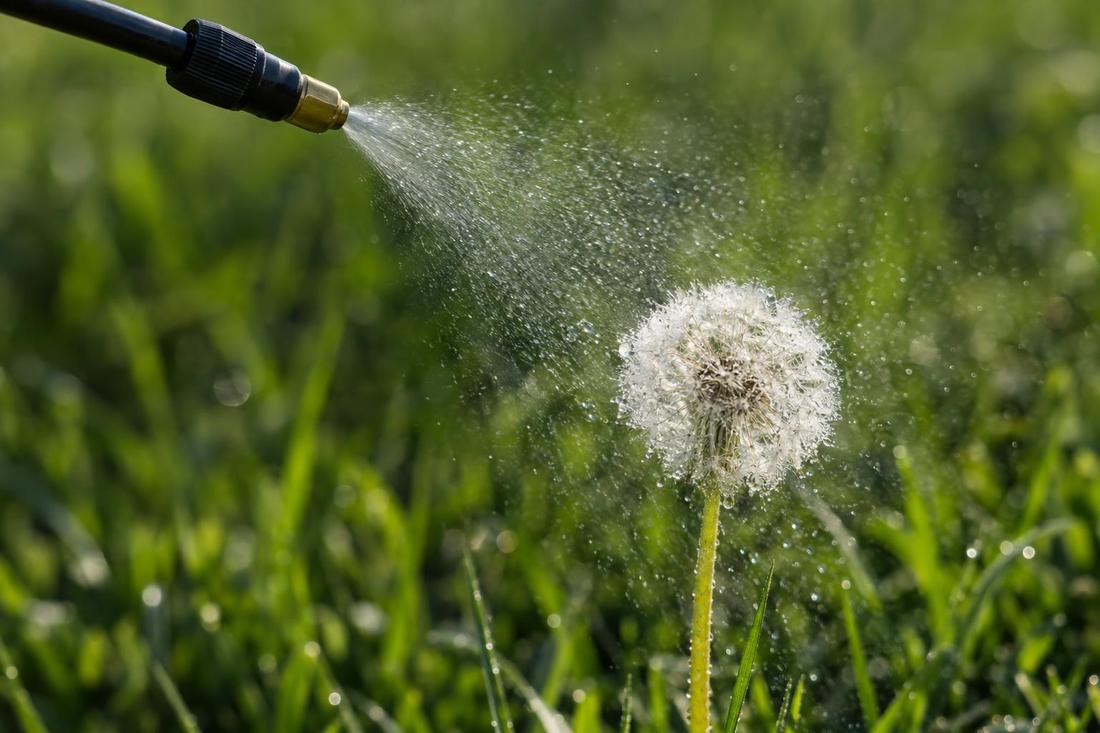
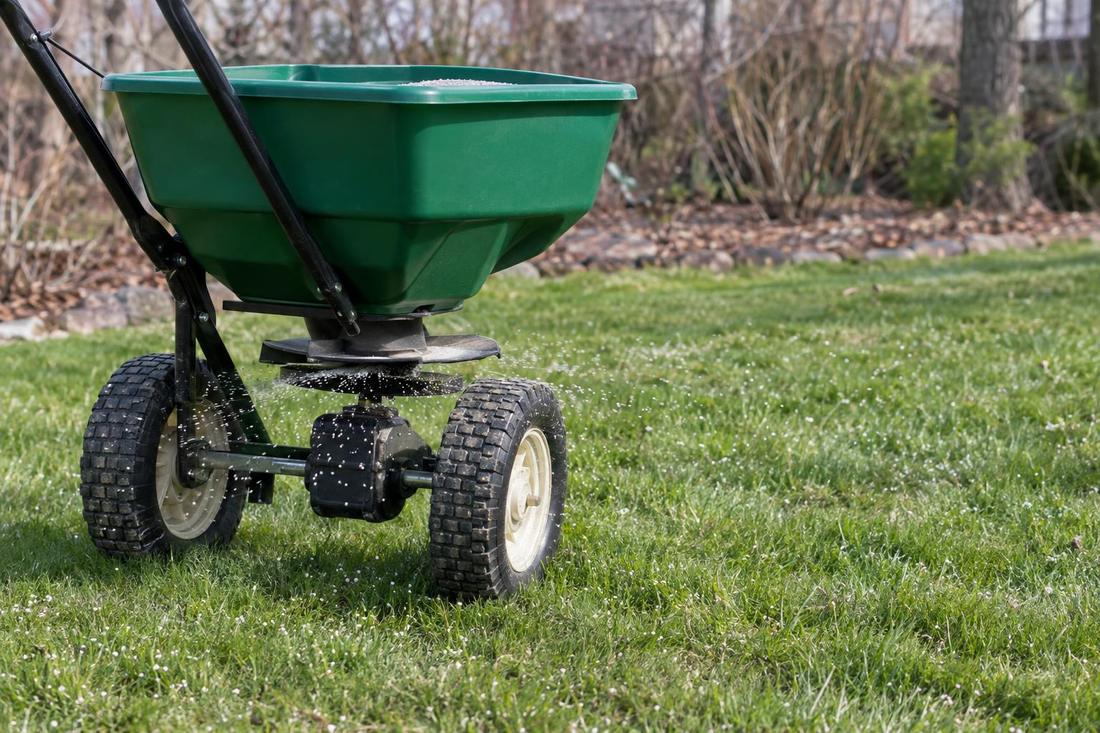
Clean up debris, cut back perennials and apply the crabgrass barrier as soil warms. Treat winter weeds on mild days. Late spring is the time for broadleaf weed control and, for warm-season grass, the first feeding.
Start mowing when growth picks up and keep blades sharp.
Summer
Mow fescue tall and warm-season grass lower, water deeply and early in the day, spot-treat weeds and apply preventive grub control. Watch for brown patch and other diseases in the heat and humidity. Warm-season grasses are fed and dethatched now.
Avoid heavy fescue feeding in July and August.
Fall
Early fall is the best time to aerate, overseed and feed fescue. Apply the winter weed barrier in September, adjusted if you are seeding. Keep leaves off the lawn through the leaf drop. A late-fall feeding helps fescue store energy.
Warm-season lawns get a last light feeding in early fall.
Winter
Keep leaves and debris off, treat winter weeds on mild days, service the mower and plan the next year. It is a good time to get a soil test and book your program.
A little planning in winter makes spring easier.
Official sources and further reading
These are independent organizations. Links open in a new tab.
Quick answers
What is the most important lawn-care season?
Fall, especially for tall fescue.
When should I start my program?
Any time. We start where the calendar is.