Key takeaways
- Early fall is the best time to aerate and overseed fescue.
- Feed after seeding with a starter and again in late fall.
- Skip or adjust the fall pre-emergent where you are seeding.
- Water lightly and often until the new seed is up.
Why fall
Fescue is a cool-season grass that grows best when soil is warm and the air is cool. Early fall gives new seedlings the best chance, with fewer weeds, less heat stress and plenty of time to root before winter. Spring seeding competes with crabgrass and summer heat and rarely works as well.
Mid-September through October is the target.
Aerate, then seed
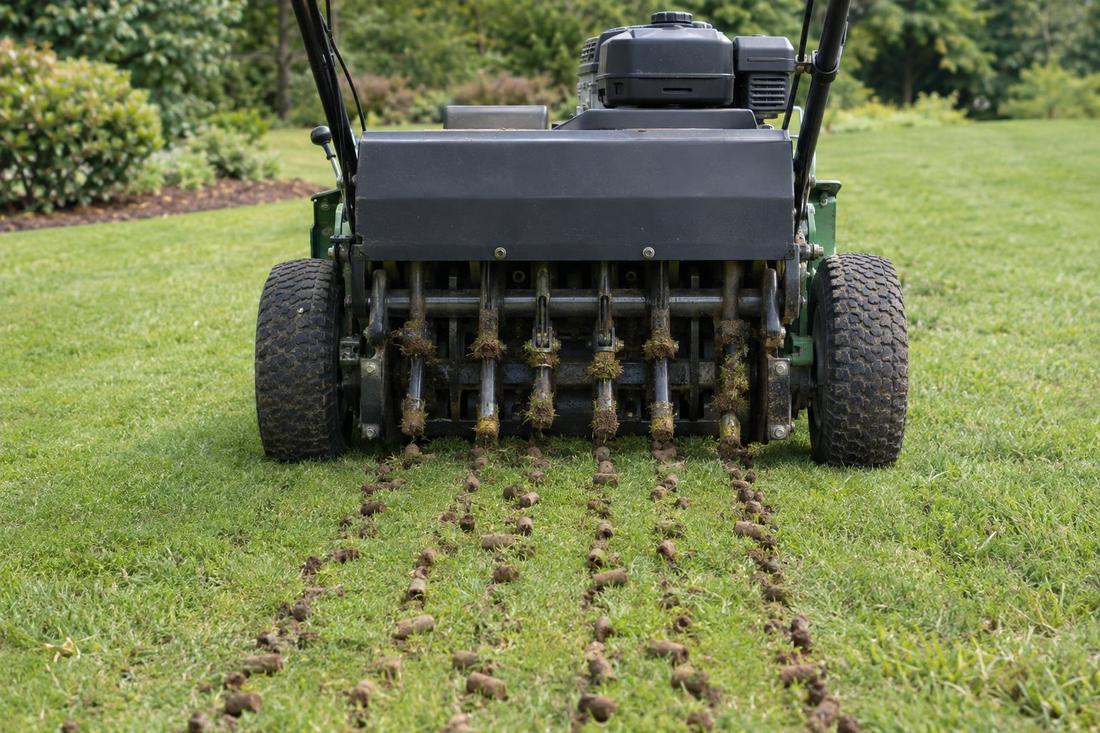
Core aeration opens compacted clay and creates a good seedbed. Seed dropped right after aerating falls into the holes and sprouts well. Slit seeding does the same job with a different machine. Both improve seed-to-soil contact.
Mow low first, then aerate, then seed.
Feeding
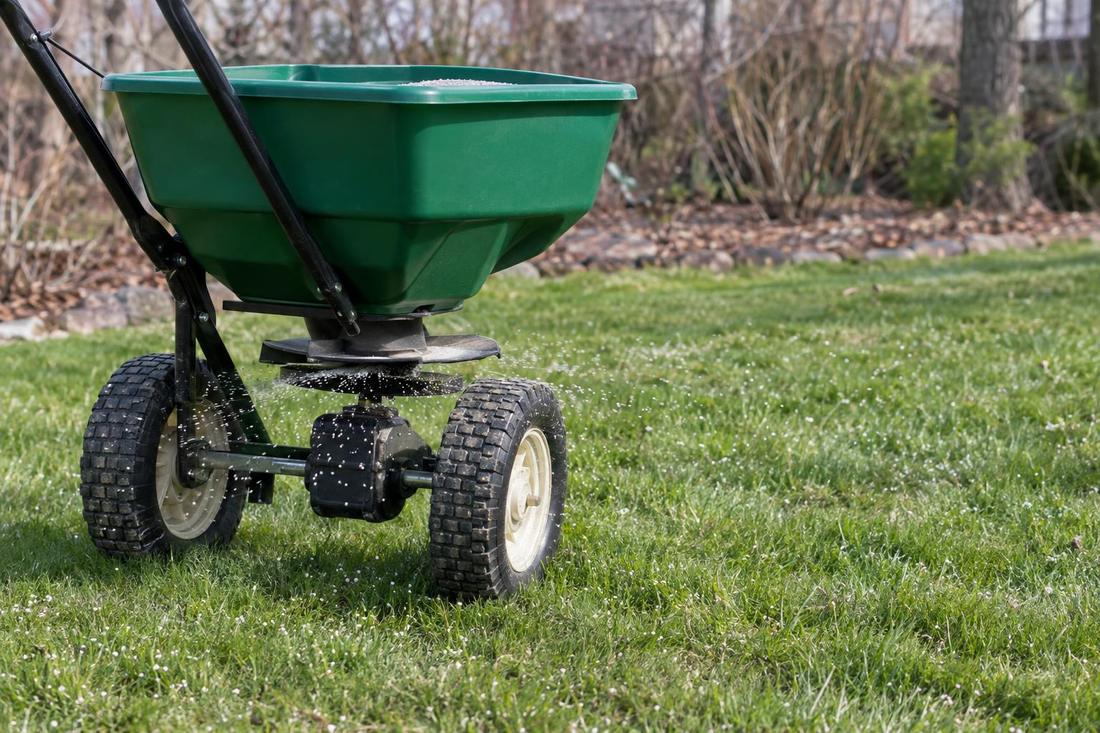
Apply a starter fertilizer at seeding to feed the new seedlings. Follow with a regular feeding in late October to November, which helps fescue build roots and store energy. Avoid heavy nitrogen in summer.
A soil test tells us what else the lawn needs.
Weed control around seeding
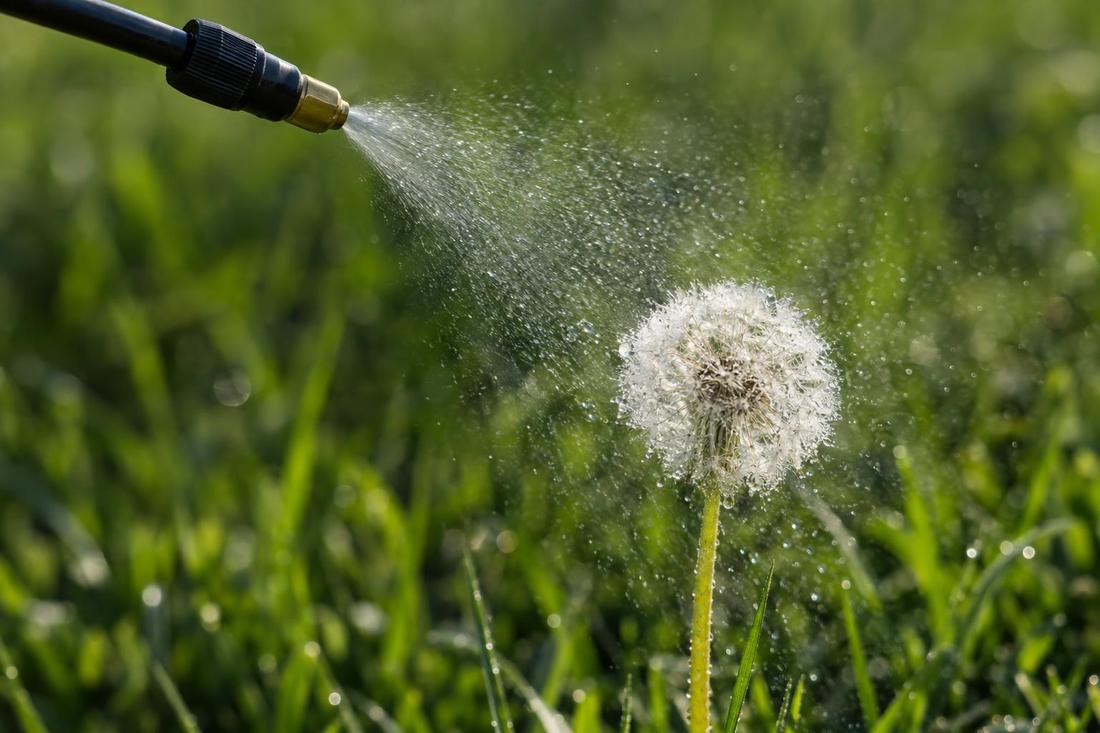
Most pre-emergents stop grass seed, so we adjust the fall barrier or use a seed-safe product. Broadleaf weeds are best treated before seeding or after the new grass has been mowed a few times. Our program lines the steps up.
Tell us if you plan to overseed and we will plan around it.
Official sources and further reading
These are independent organizations. Links open in a new tab.
Quick answers
How much seed do I need?
It depends on the lawn. We calculate by square footage and the condition of the turf.
How soon can I mow after seeding?
When the new grass reaches about four inches.