Key takeaways
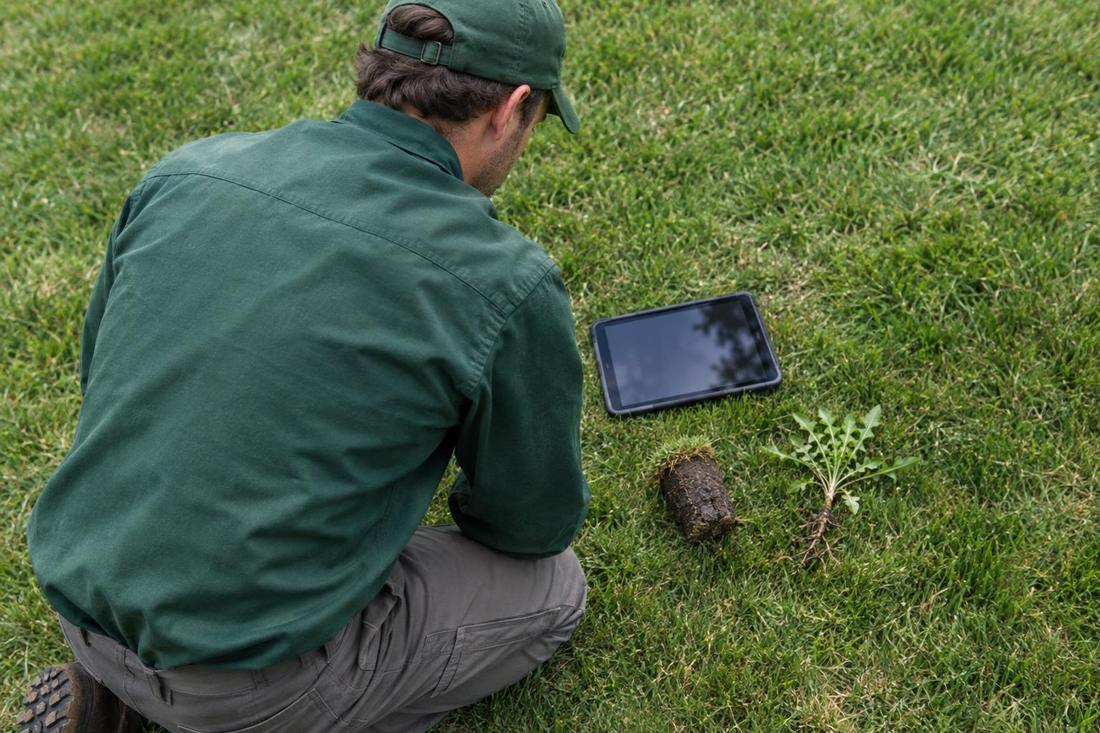
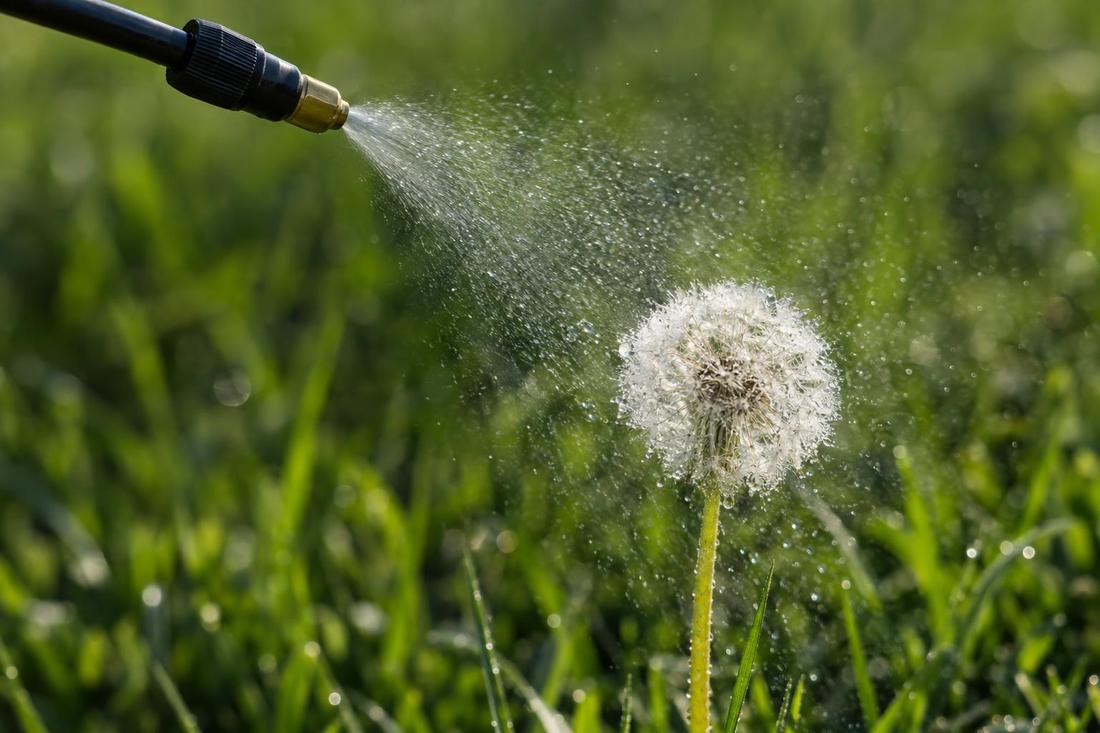
- A pre-emergent stops weed seeds from sprouting. It does not kill weeds that are already up.
- The spring barrier goes down as soils warm, usually in March and early April.
- The fall barrier goes down in September for winter weeds.
- Most pre-emergents also stop grass seed, so plan seeding in a different window.
How a barrier works
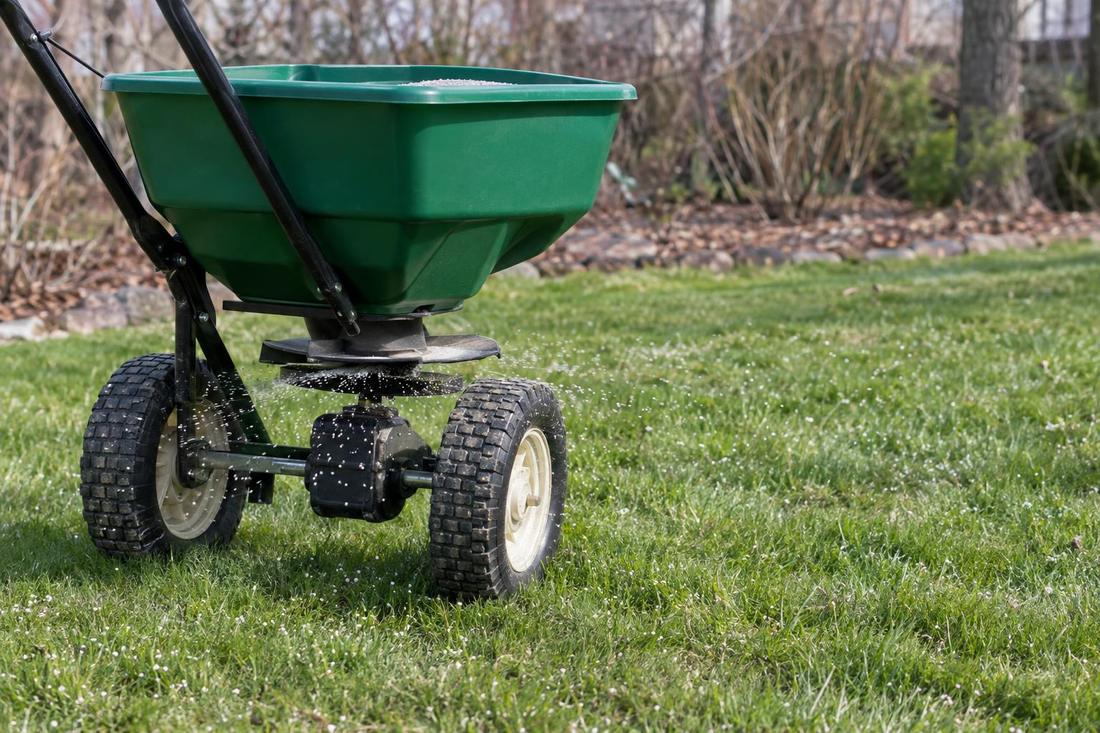
A pre-emergent forms a thin chemical layer in the top inch of soil. Weed seeds that sprout through it die before they emerge. The layer breaks down over weeks, so it must go down before germination and be watered in. Disturbing the soil, with aeration or heavy raking, can break the barrier.
Timing and even coverage matter more than the brand of product.
Spring timing
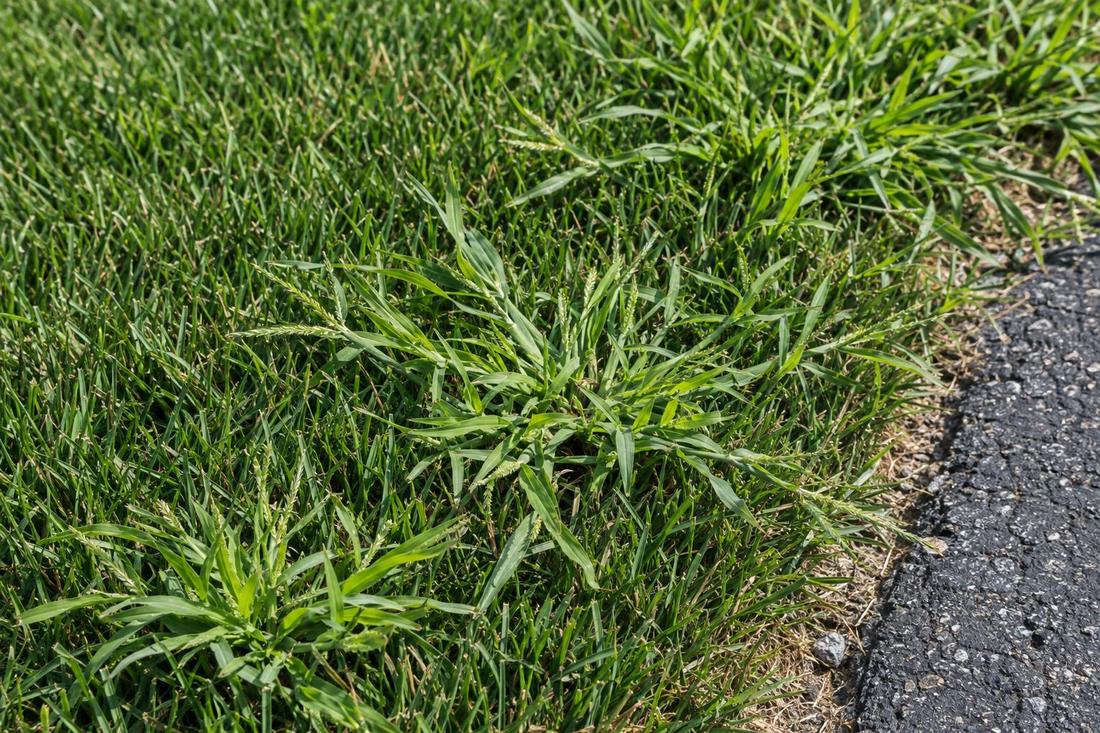
Crabgrass sprouts when soil temperatures at a two-inch depth stay around fifty-five degrees for several days. In Middle Tennessee that is usually in late March to mid-April. Applying a couple of weeks early is safer than late. A second application in late spring extends control through summer.
We watch soil temperature, not the date.
Fall timing
Winter weeds like henbit, chickweed and poa annua sprout as soil cools in September and October. A barrier in early to mid-September stops most of them. It is especially useful in dormant warm-season lawns.
Cool-season lawns seeded in fall need a seed-safe plan.
Seeding and aeration conflicts
A barrier that stops crabgrass also stops fescue seed. If you plan to overseed in fall, we skip or adjust the fall barrier and use a seed-safe product. Aeration can break the barrier, so we plan it for before the barrier or after it has done its work.
Tell us what you plan to do and we will schedule it all.
Official sources and further reading
These are independent organizations. Links open in a new tab.
Quick answers
Can I skip the spring pre-emergent?
You can, but expect more crabgrass. A spring barrier is the most effective single step against it.
Is a late application worthless?
It still helps with later-sprouting weeds, but many have already come up.