Key takeaways
- Crabgrass has light green, hairy leaves and spreads outward from a center. Goosegrass is darker, flatter and tougher.
- Both are summer annuals that sprout in warm soil.
- A spring pre-emergent controls both, but they need different products once they are up.
- Thick turf is the best long-term defense.
What crabgrass looks like
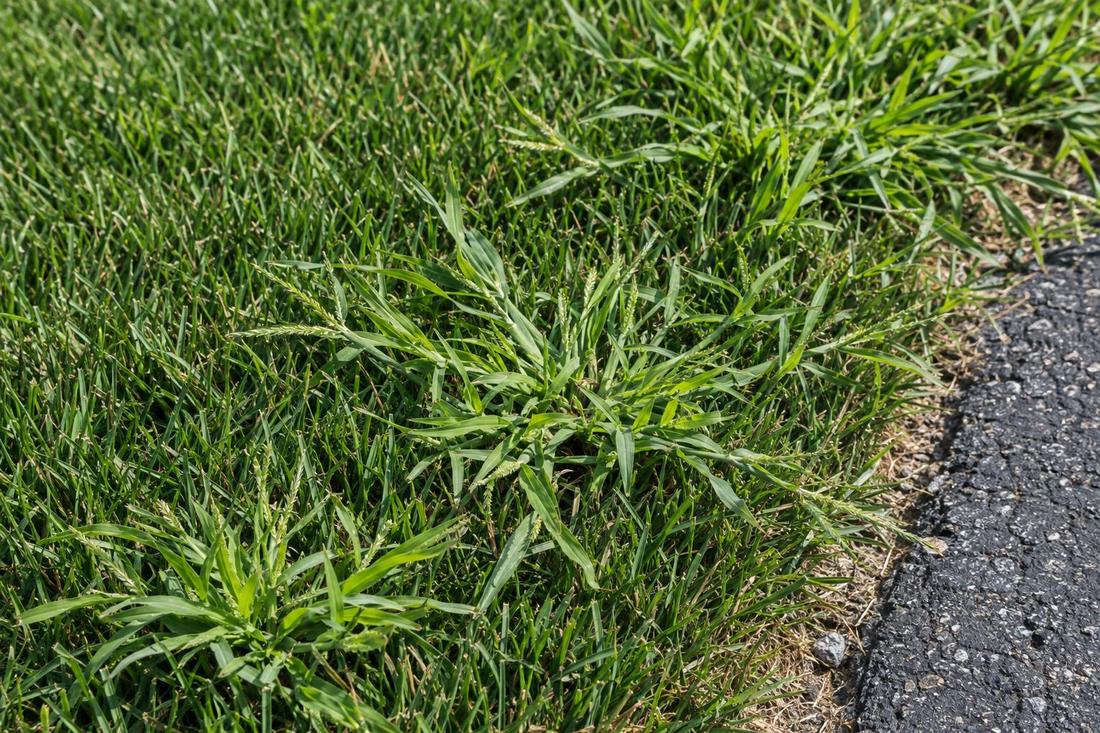
Crabgrass has light green blades with fine hairs, spreads out in a star shape and roots at the nodes. Its seed heads look like fingers. It is most common in thin, sunny areas next to pavement.
A hot, dry July shows it best.
What goosegrass looks like
Goosegrass is darker green with flat, folded stems and a white or silvery center. It thrives in compacted soil and heavy traffic. Seed heads look like a goose foot. It sprouts later than crabgrass.
It is tougher to control once it is up.
Why the difference matters
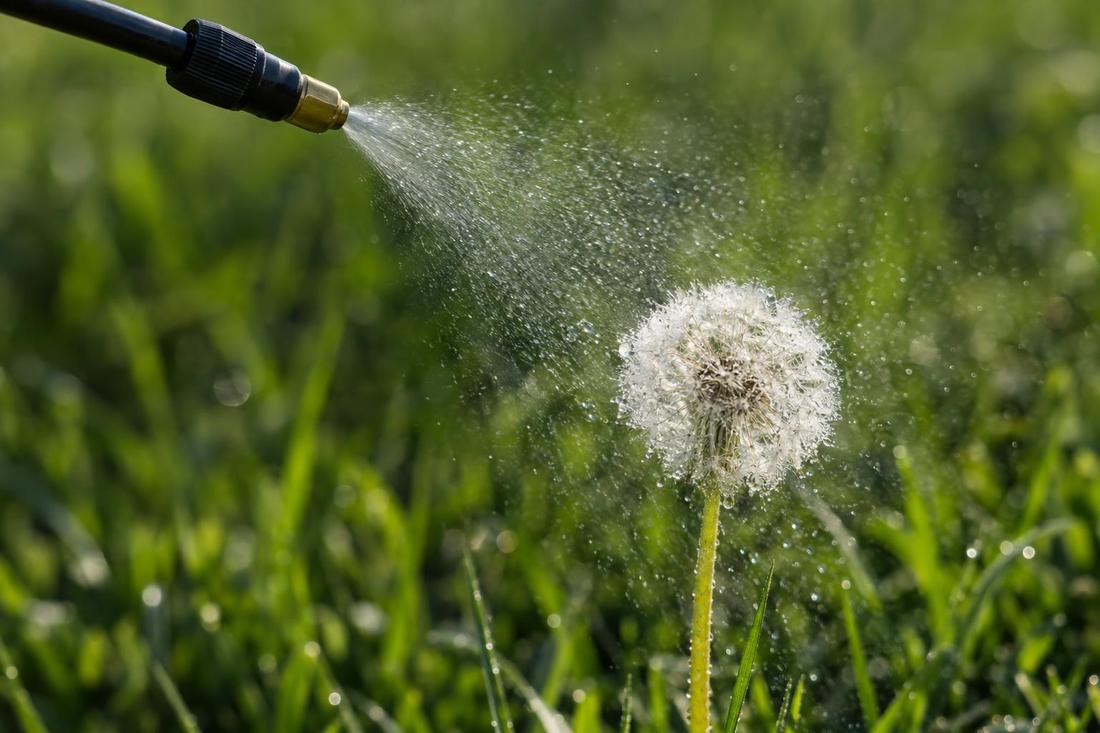
Some products that kill crabgrass do not control goosegrass, and a few that work on goosegrass are weak on crabgrass. Picking the wrong one wastes weeks of the season. Identification first saves effort.
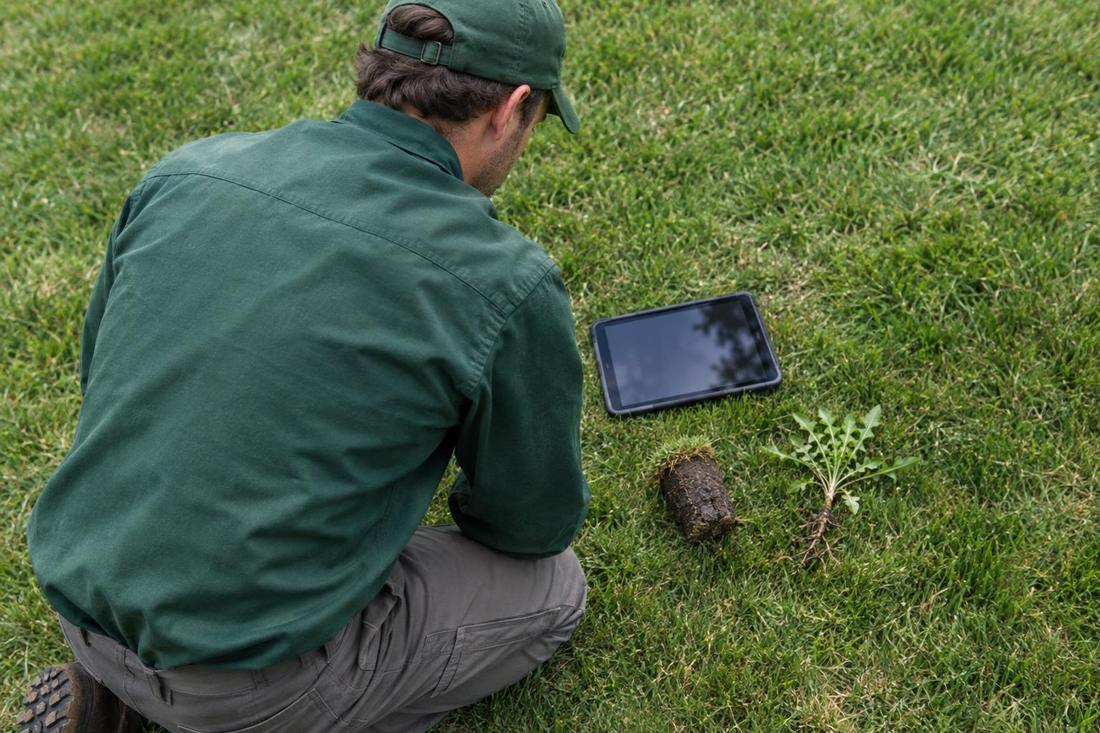
A photo of the whole plant is often enough.
How to stop both
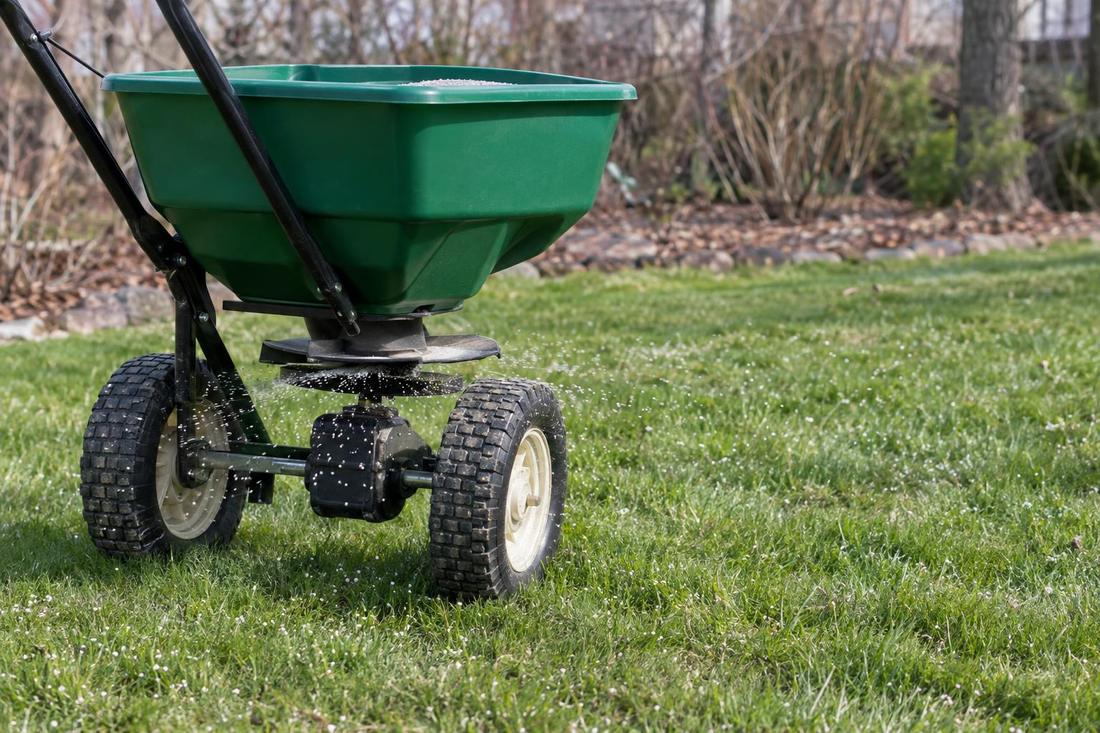
A spring pre-emergent, with a second application in late spring, stops most of both. Mowing at the right height, watering deeply, aerating compacted soil and feeding properly help the turf crowd them out. Overseeding bare patches in fall closes the gaps they use.
We build all of that into a program.
Official sources and further reading
These are independent organizations. Links open in a new tab.
Quick answers
When should I treat crabgrass that has already come up?
As early as you can. Young plants die much more easily than large ones.
Will goosegrass go away on its own?
No. It dies at frost, but the seed returns each year.