Key takeaways
- Soil pH controls how well turf can use nutrients.
- Many Tennessee soils are acidic and compacted clay.
- A soil test tells you how much lime and fertilizer to apply.
- Lime and compost work slowly, so patience and a plan matter.
What pH does
Soil pH is a measure of acidity. In acidic soil, nutrients like phosphorus and calcium are less available and beneficial microbes slow down. Moss, wild violet and some other weeds thrive. In very alkaline soil, other problems appear. Most turf prefers slightly acidic to neutral soil.
You cannot tell pH by looking at grass.
Tennessee clay
Clay soils hold water and nutrients but drain slowly and compact easily. They crack in dry spells and stay soggy in wet ones. Organic matter, aeration and topdressing help open them up over time. New construction often leaves compacted subsoil at the surface.
Clay is workable, but it takes steady effort.
How to test
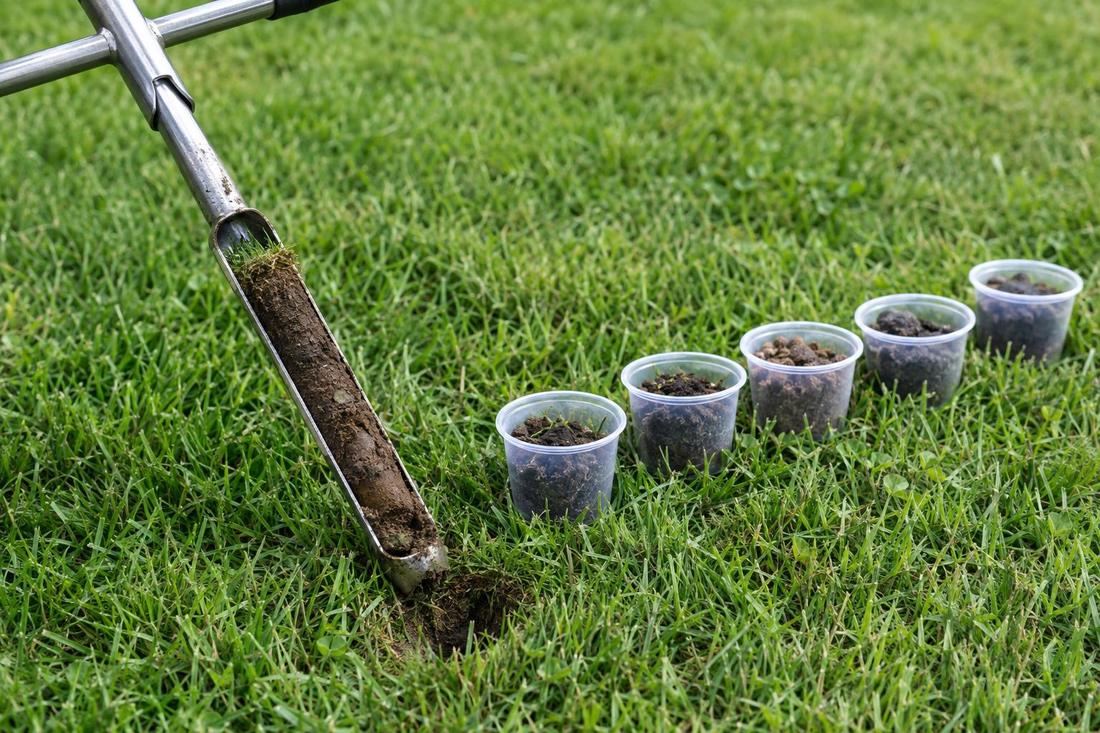
Take small samples from several places in the lawn, mix them and send them to a lab, or have us do it. The report shows pH, key nutrients and a recommendation for lime and fertilizer. Retest every two to three years.
Testing beats guessing every time.
Fixing it
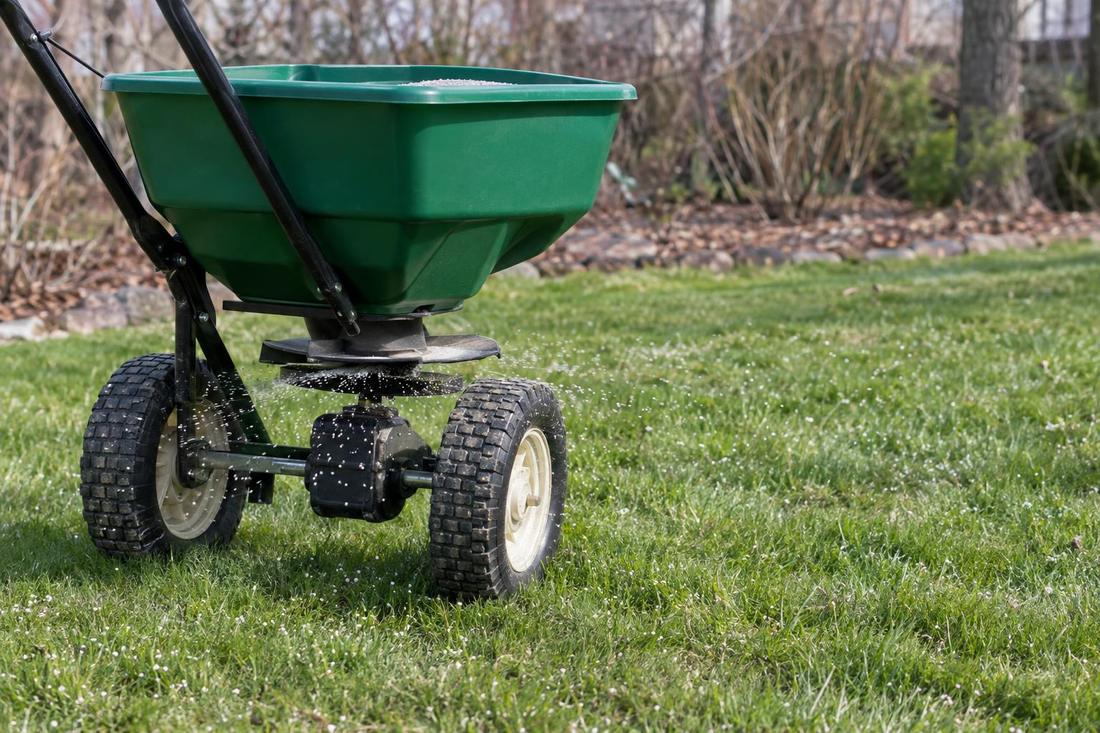
Apply lime in the amount the test recommends, spread evenly. Core aerate, topdress with compost and overseed to rebuild thin turf. Expect several months for pH to move. Feed according to the soil results rather than a generic schedule.
Once the soil is right, everything else works better.
Official sources and further reading
These are independent organizations. Links open in a new tab.
Quick answers
Can I add too much lime?
Yes. Too much raises pH beyond the useful range, so we follow the test.
How long until my lawn improves?
You may see better color within a season, and thickness builds over a year or more.