Key takeaways
- Choose a company that walks your lawn, identifies the weeds and the grass and explains the plan.
- Ask who applies the products, what they are and what the re-entry rules are.
- Check the licensing rules that apply to pesticide application in Tennessee and ask for proof.
- Get a written scope with the visits, the services and what is not included.
Start with a walk
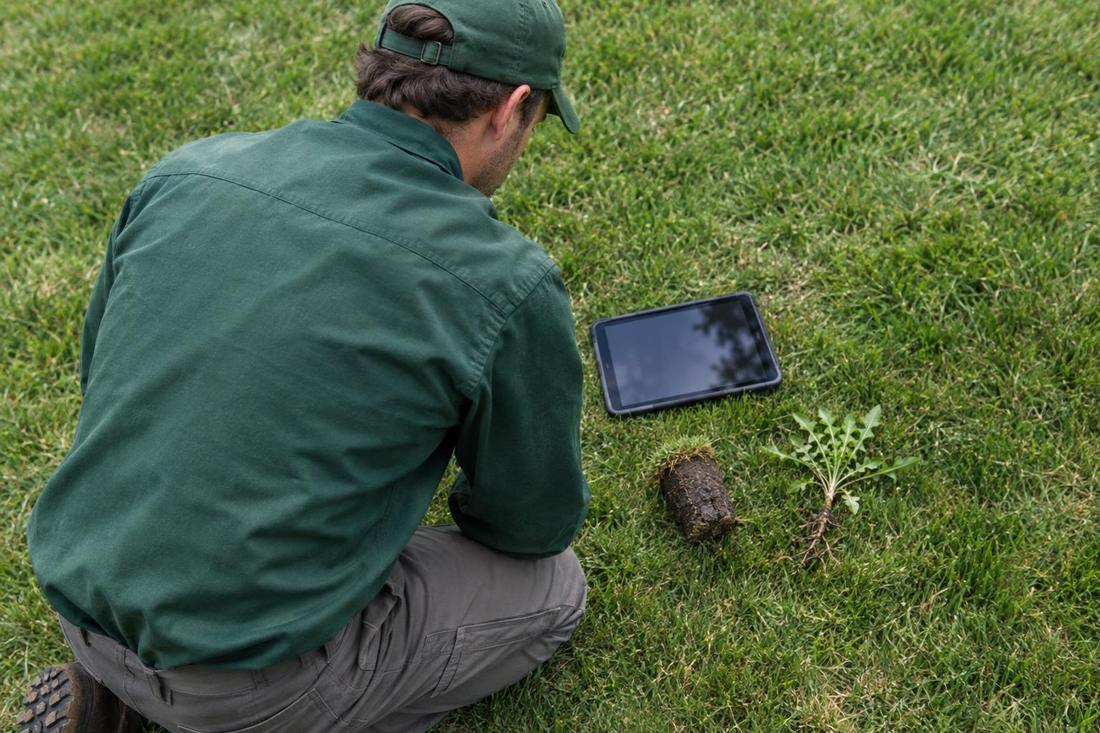
A good lawn company wants to see the lawn first. They look at the grass type, the weeds, the thin spots, the shade and the soil, and they ask how you use the yard. A proposal written without a visit is a guess, and it often treats the wrong problem at the wrong time.
Ask what they noticed and what they would do first.
Ask about products and applicators
Ask which products they plan to use and why, who applies them and how they keep records. Ask what the re-entry rule is for pets and children and how they handle wind and rain on application day. A reliable company answers plainly.
Ask to see the label if you are curious.
Check licensing
In Tennessee, applying pesticides for hire is regulated, and commercial applicators need to be properly licensed and meet state requirements. Ask for proof, and for liability insurance as well. The state agriculture department explains the rules.
A reliable company shares this without fuss.
Compare scopes, not only totals
Two proposals can look alike and differ a lot. A clear scope lists the number of visits, what each visit includes, which weeds are covered, what repeat treatments are included and what happens between visits. Ask what is extra.
Put the details in writing so you can compare them side by side.
Official sources and further reading
These are independent organizations. Links open in a new tab.
Quick answers
Should I get more than one proposal?
For a full program, yes. Compare what is included and how the lawn will be treated, not only the totals.
Do I need to be home for visits?
No. A good company leaves notes after each visit.